 English
 العربية
 Nederlands
 Français
 Deutsch
 Português
 Русский
 Español
 Svenska
The cosmetics industry is moving beyond surface-level beauty toward skin health and wellness. Functional cosmetics offer measurable physiological benefits—anti-aging, barrier repair, UV protection, and brightening—unlike traditional products that only camouflage imperfections.
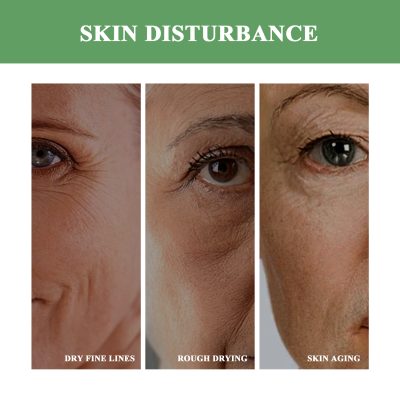
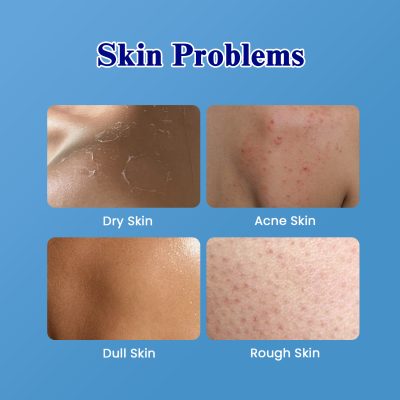
By 2034, the global market is projected to reach $5.43 billion, growing at 5.8% annually, fueled by changing consumer values, scientific progress, and modern environmental stressors.
1. The Consumer Mindset Shift: From “Looking Good” to “Feeling Healthy”
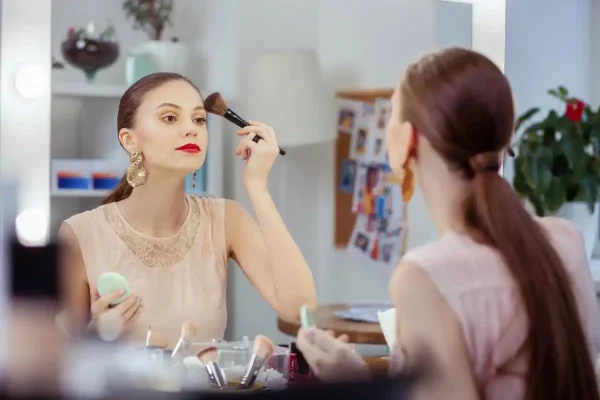
Consumers now equate skin condition with overall health. 77% of people prefer products that make them feel good over those that simply make them look good. This shift appears in three ways:
Preventive Skincare – People address skin issues proactively rather than reactively.
Ingredient Literacy – Shoppers research actives like retinol and niacinamide, demanding transparent, effective formulas.
Skinimalism – Fewer, multi-tasking products (hydration + SPF + repair) are preferred over multiple single-use items.
2. Science and Technology as Enablers: Making Efficacy Achievable
Advances in formulation science make functional claims credible.
Active Ingredients – Peptides, ceramides, and plant extracts now target skin biology directly, enabling true anti-aging and repair.
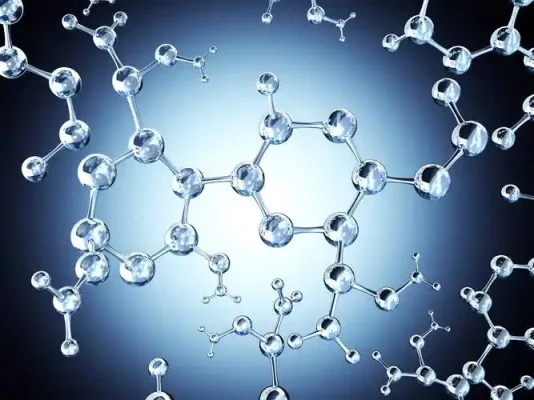
Delivery Systems – Technologies like PLGA nanoparticles and biomimetic vesicles improve absorption and sustained release, turning efficacy from marketing into reality.
Validation – Clinical trials and dermatologist endorsements build consumer trust through verifiable data.
3. External Environmental Pressures: Modern Life Challenges Skin Health
Everyday life damages skin, driving demand for protective solutions.
Pollution & UV – Oxidative stress from environmental aggressors accelerates aging; up to 50 million Americans suffer from acne exacerbated by pollution.
Stress & Lifestyle – Fast-paced routines and screen time weaken skin barriers, prompting brands to add adaptogens and probiotics.
Aging Population – Older consumers fuel the anti-aging segment, now the largest category in functional cosmetics.

Conclusion: The Future of Beauty Is Functional
Functional cosmetics arise from three forces: health-conscious consumers, enabling technologies, and environmental pressures. Skincare is now part of daily health management, not just vanity. As AI and biotechnology evolve, products will become more personalized and intelligent. The industry’s mission remains: deliver real, science-backed results that consumers can see and trust.